SpaceX Goes Public, Iran Goes to the Table: The Weekend That Re-Priced Two of the Biggest Trades on the Tape
SPCX printed the largest IPO in history and ripped 19% off the $135 offer. Over the same weekend, the US and Iran moved a draft accord to the one-yard line and the Hormuz risk premium started to come out of crude. Two of the most crowded macro trades just changed character at the same time.
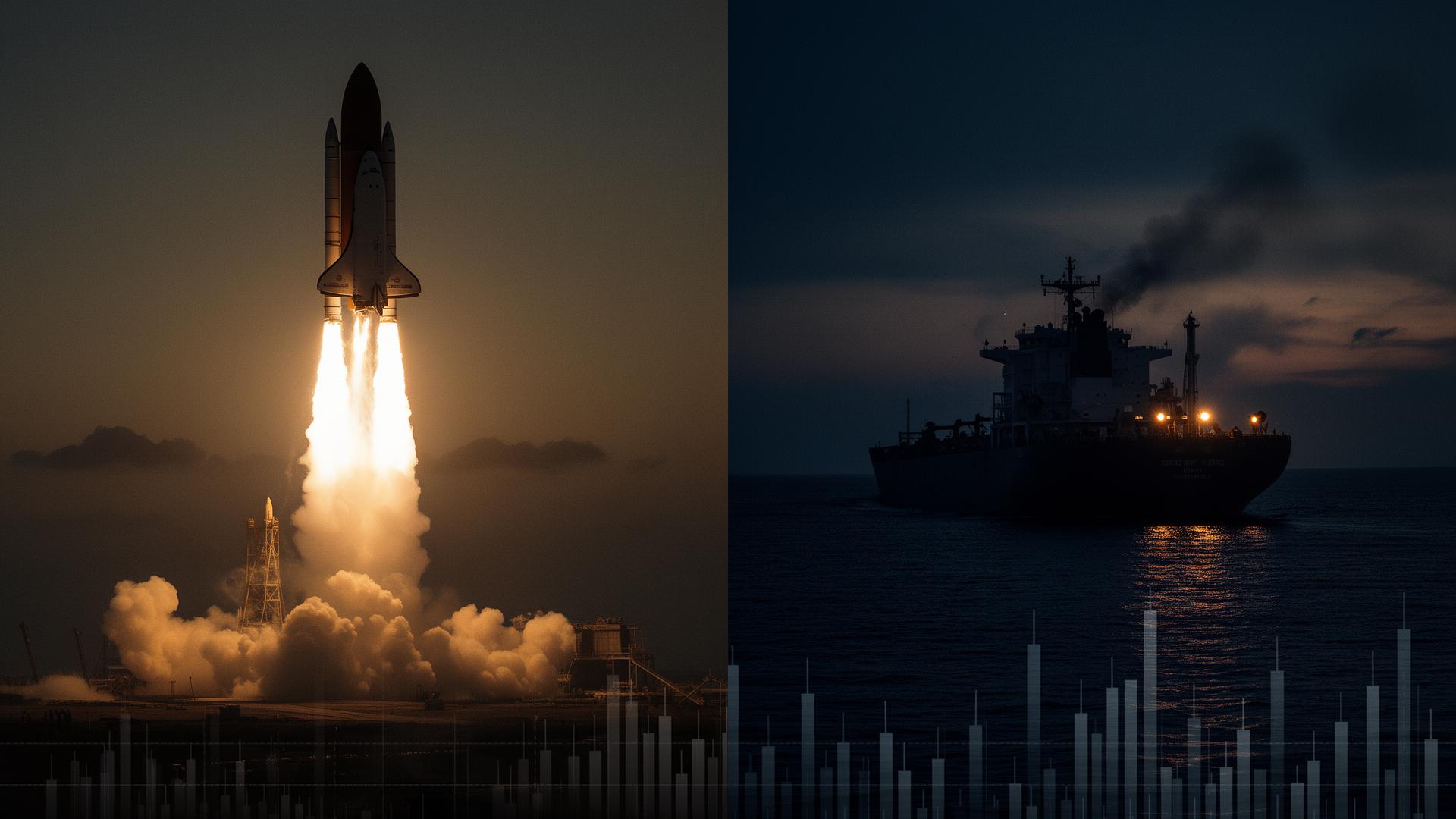
Two stories ran the tape this weekend, and they are going to define how next week opens.
Friday: SpaceX priced the largest IPO in history at $135, raised roughly $75 billion, opened at $150 on Nasdaq under the ticker SPCX, traded as high as $176.52, and closed at $160.95 — up 19% on day one. By the evening tape it was printing above $166 in after-hours.
Saturday and Sunday: Pakistan-mediated negotiators finalized the text of a US–Iran accord, Trump put his confidence in a signed deal at 85%, drone activity in the Strait of Hormuz continued but was being intercepted, and crude futures started bleeding the Hormuz risk premium back out.
One trade is risk-on confirmation. The other is risk-premium unwind. They do not point in the same direction for every basket — and that is where the edge is.
The SpaceX Print Was the Tape Read I Was Watching For
I have been writing about this setup since May. The book closed early. The deal priced above range. The first print opened 11% above offer and ran to up 30% intraday before settling at +19%. That is exactly the hot-deal mechanics I flagged.
Total raise: roughly $75 billion across 555.6 million shares. That is the largest IPO ever printed. Musk's company walks out of day one with a market cap deep into mega-cap territory and an institutional shareholder base that was rationed on allocation.
The under-allocated demand is the part that matters for next week. Funds that did not get filled on the IPO do not just go away. They either pay up in the open market or they buy the sympathy basket — and the sympathy basket is where the leverage is.
What Day One Tells You About Day Five
A 19% close on a deal this size, with after-hours trading above $166, is not a 'sell the news' tape. It is a 'chase the news' tape.
The historical pattern on mega-IPOs that close above offer on day one is that the first three to five sessions are dominated by index-inclusion demand, momentum buyers, and the leftover institutional bid. The risk is concentrated in the second week, when lock-up math, syndicate stabilization, and the first analyst notes start to bracket the price.
Inside that window, the cleanest expression of the trade is not chasing SPCX itself at the open. It is the names that move on sympathy with a fraction of the float and a fraction of the spread.
The Sympathy Basket — How I Am Ranking It
Rocket Lab (RKLB): the cleanest publicly-traded launch comp. Highest beta to the SPCX print, also the most extended into it. Trade the pullbacks, not the gap-ups.
AST SpaceMobile (ASTS): the satellite-to-cell story. Has its own catalyst path, but moves on the broader space bid. Watch for the failed gap as the tell.
Intuitive Machines (LUNR), Redwire (RDW): lunar and in-space services. Thin floats, vicious moves both directions. Size accordingly.
Kratos (KTOS): defense optics with a space angle. The cleaner risk-reward in a tape where defense is also being bid on the Iran tail risk.
Planet Labs (PL): satellite imagery. Lower beta to the SPCX print, but a real business with real revenue. The 'stay long when the basket pulls back' name.
Iran: The Other Trade That Just Changed Character
While SPCX was ringing the bell, the diplomatic track was moving in the opposite direction of the war headlines. Gulf News reported the US–Iran accord is in the final stage with Pakistan mediating. Eastern Herald reported the deal text was finalized Friday and Trump put his confidence in a signed deal at 85%. AFP and Kyiv Post reported US forces intercepted multiple Iranian drones in the Strait of Hormuz over the weekend — both sides still insisted the deal is closer than ever.
The market read is more important than the headlines. Brent crude spiked toward $95 on the Hormuz closure earlier in the week, then prediction markets started fading the probability of a triple-digit print. Kalshi contracts on Brent closing above $100.99 by month-end dropped from 40% to 19%. That is the risk premium leaving the trade in real time.
If the deal gets signed — and that is still an if, not a when — the Hormuz premium comes out of crude, defense names give back the war-bid, and the dollar gets a little less of the safe-haven flow. If it slips, every chart in this paragraph flips back the other way overnight.
Energy and Defense: Two Sides of the Same Coin
On energy: a signed deal is bearish crude in the front of the curve. Refiners, integrateds, and oil-services names that ran on the Hormuz scare give back the move first. The clean trade is fading strength in the highest-beta E&P names into the open if the weekend headlines hold.
On defense: the war bid in LMT, RTX, NOC, GD, and the smaller names like KTOS has been carrying premium since the strikes started. A deal compresses that premium. But a partial deal that leaves Iranian proxies active in the region preserves most of it. This is a name-by-name trade, not a basket trade — defense primes with locked-in multi-year contracts hold up; pure war-tape beneficiaries do not.
On the dollar and rates: peace tape is mildly risk-on, mildly bearish gold, modestly bullish duration. None of that is the headline trade — the headline trade is space and energy. But it shapes how the tape opens.
How These Two Stories Interact
Here is the part that matters. The SPCX print and the Iran deal both push the tape the same direction at the top level — risk-on, momentum-friendly, lower vol. That is the soft-landing tape.
But underneath, they push different baskets in different directions. Space and high-beta tech get the SPCX tailwind. Energy and pure-war defense get the Iran headwind. The market that wins on both stories at the same time is the same market that was already working — quality cyclicals, software, the AI infrastructure trade, healthcare relative strength.
The market that loses on both is the crowded oil-and-defense long that was built on the assumption Hormuz stays closed. That is the trade most exposed to a Monday gap.
The Risks to This Read
First, the deal is not signed. Drones are still flying. A single incident in the Strait between now and the signing ceremony puts the entire risk-premium unwind back on the table.
Second, SPCX is a single-stock event, not a regime change. If the broader tape sells off on a hot CPI print or a hawkish Fed minute, a 19% IPO pop does not save the cohort.
Third, sympathy trades cut both ways. If SPCX rolls in week two on lockup math or a poor analyst note, RKLB, ASTS, LUNR, RDW give the move back faster than they took it.
The Playbook Into Monday
Do not chase SPCX at the open. Let the first 30 minutes set the range, then trade the break.
Use the sympathy basket for leverage on the space trade — RKLB and KTOS as the cleanest expressions, LUNR and RDW for size-appropriate beta.
Fade the war-bid in energy and pure defense beneficiaries on strength if the weekend headlines hold. Respect the gap if a drone strike crosses the wire overnight.
Keep the relative-strength longs from last week — healthcare, quality cyclicals, AI infrastructure — as the core. Trade the new stories around them, not in place of them.
Bottom Line
The weekend did exactly what I have been writing it might: it gave us two of the biggest market-moving stories of the year at the same time, and they both pushed the tape toward risk-on.
SpaceX is now a public company. The largest IPO in history closed up 19% on day one. The US–Iran war looks closer to a signed accord than a wider conflict. The Hormuz premium is leaking out of crude in real time.
The cleanest trades are the ones that respect both stories at once: long the SpaceX sympathy basket on pullbacks, fade the war-bid in oil and pure-war defense names on strength, and let the core relative-strength longs do the heavy lifting while everyone else is busy chasing the headlines.
This essay reflects the personal views and opinions of Guy Gentile and is published for informational and educational purposes only. It is not investment advice, a recommendation to buy or sell any security, an offer or solicitation, or a research report. Markets carry risk and any positions, setups, or names discussed may change without notice. Mr. Gentile and parties affiliated with him may hold, add to, reduce, or close positions in the securities discussed at any time. Do your own research and consult a licensed financial professional before making investment decisions. Past performance is not indicative of future results.
Premarket notes, trade setups, and op-eds — free, in your inbox. Read more →