Guy Gentile
Nine books on trading, risk, and market structure. Decades on the desk — from SpeedTrader to the macro desk — written for fund managers, independent traders, and anyone trying to read the tape before the headline.
Daily notes
Trend Bull On The Surface, Rates And Energy Underneath
The desk read is a trend-bull regime running at reduced size: index gamma is long, volatility is contained near 17.5, and the ten-year sits just under 5% with crude still the inflation input.
Oil Gives Back The War Premium And The Headline Trade Returns
Crude reversed hard on de-escalation talk and equities took relief from a softer line on AI policy. Nothing structural changed — the supply constraint and the rate level are both still in place.
Nine books by Guy Gentile
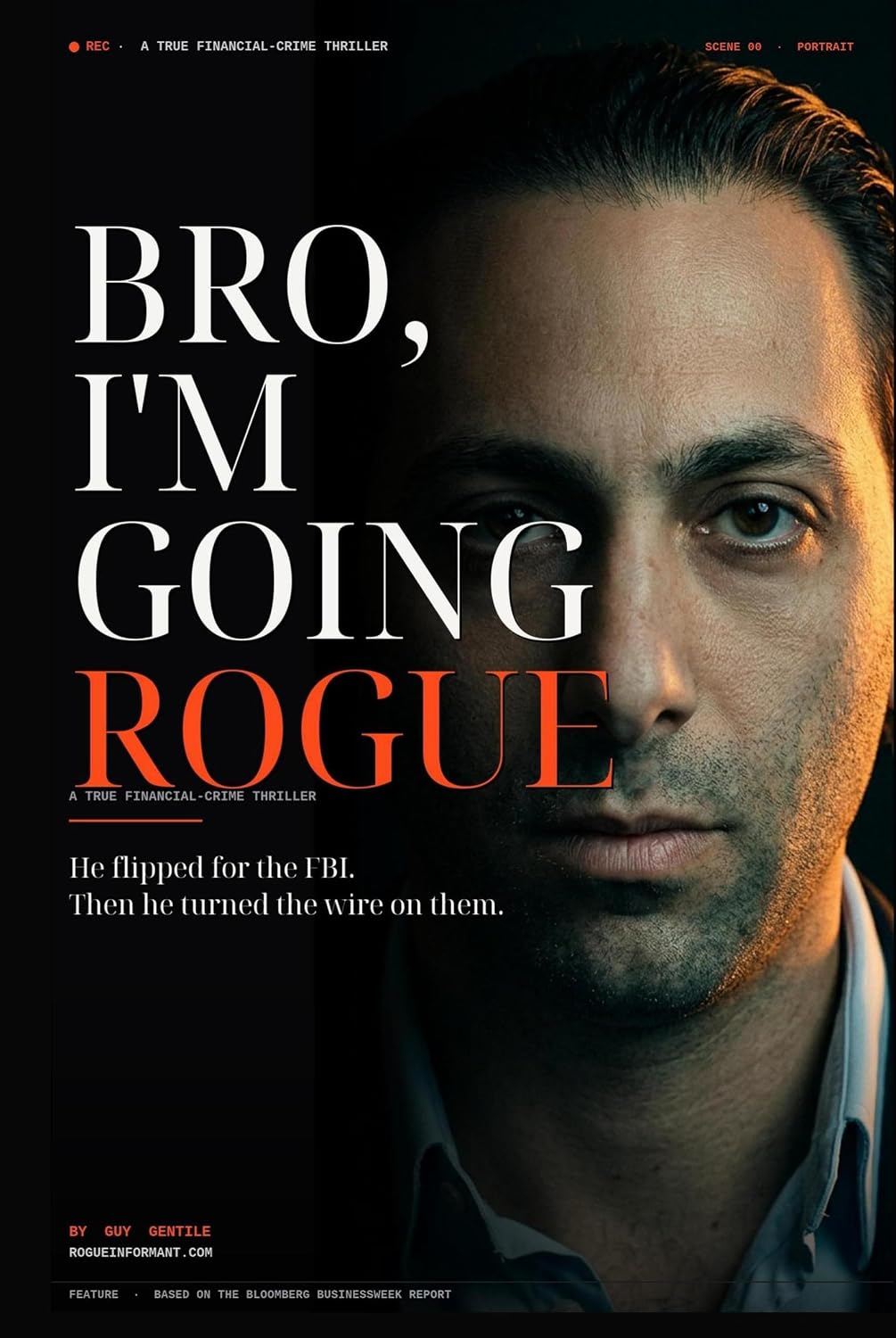 Memoir
Bro, I'm Going Rogue
Wall Street, the FBI, and the trader they couldn't break. The full story — paper route to federal cooperation.
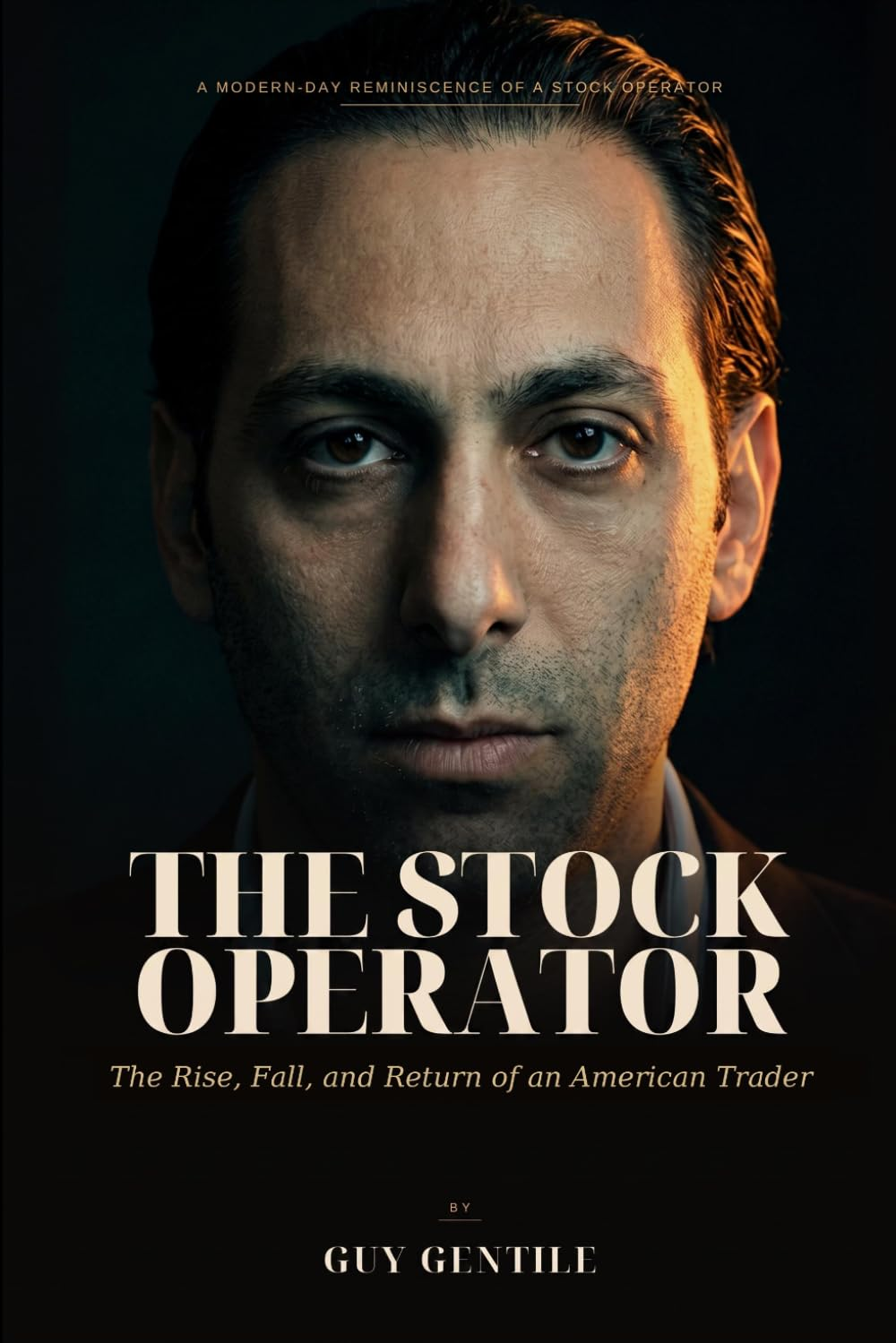 Trading Playbook
The Stock Operator
30 years on the tape distilled — momentum, short-selling, risk sizing, and the daily desk routine.
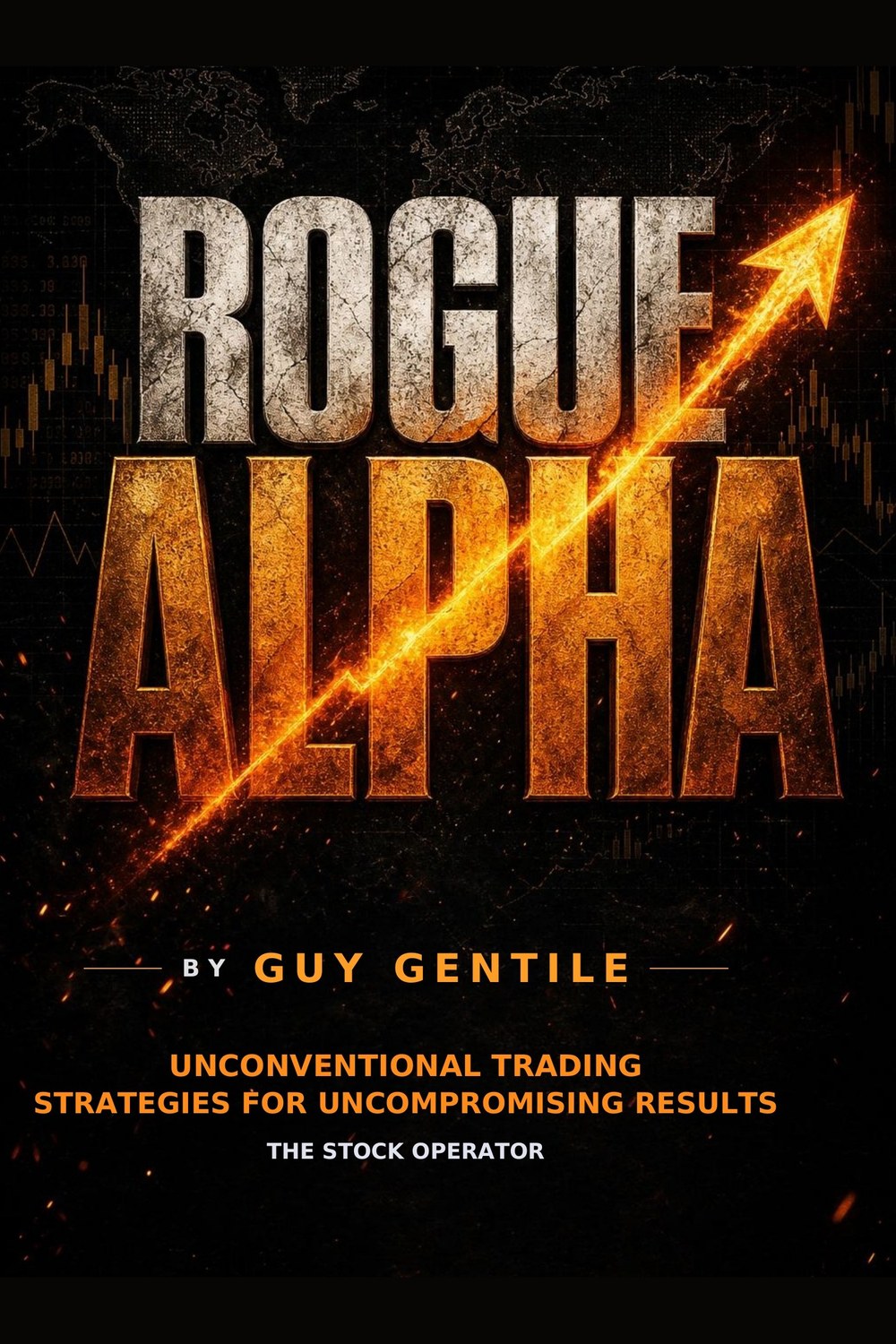 Kindle eBook
Rogue Alpha
The introductory day-trading framework: setups, short-selling rules, and risk management. No filler.
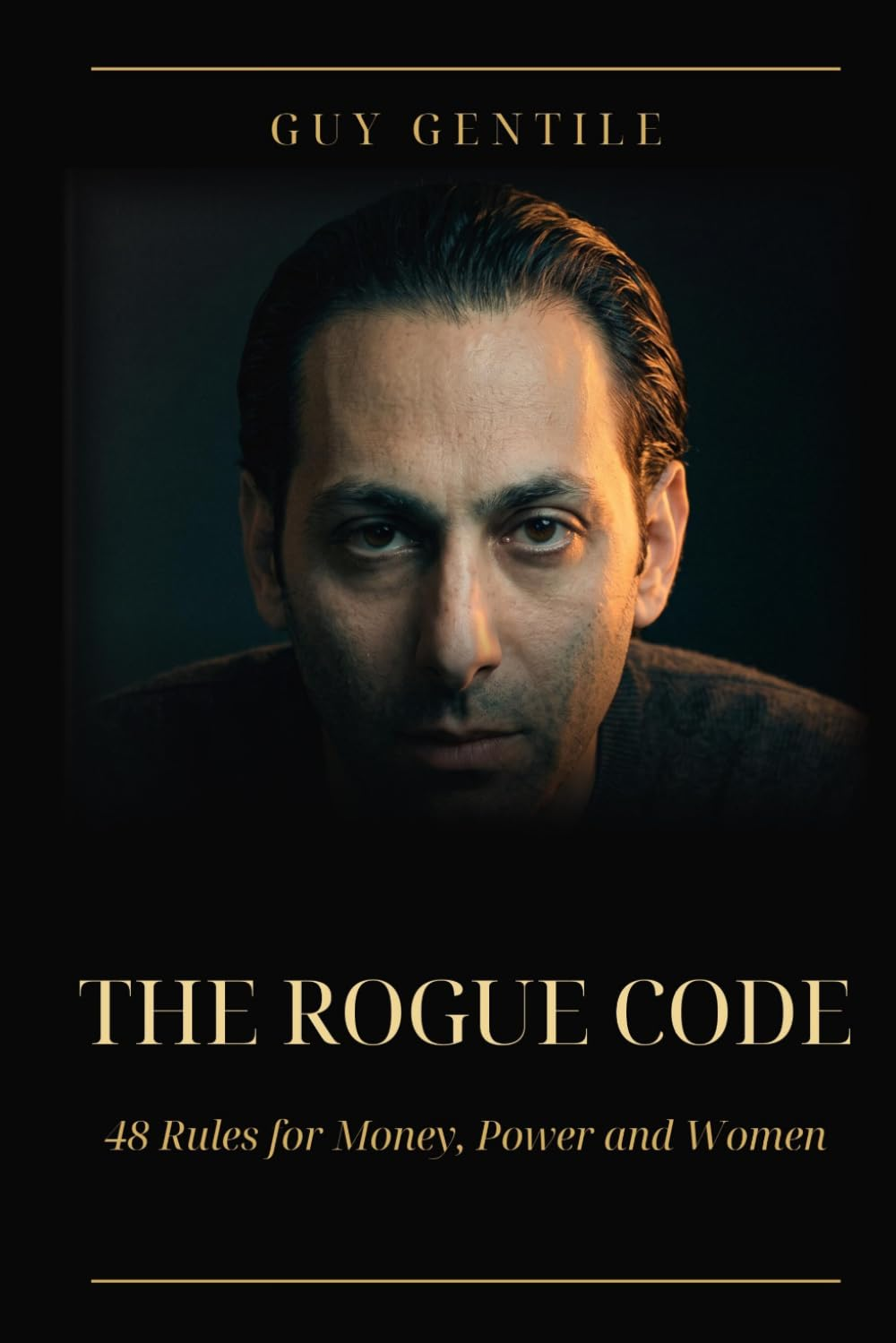 Rules for Living
The Rogue Code
Money, women, power — 48 hard rules for building three income streams and an extraordinary life.
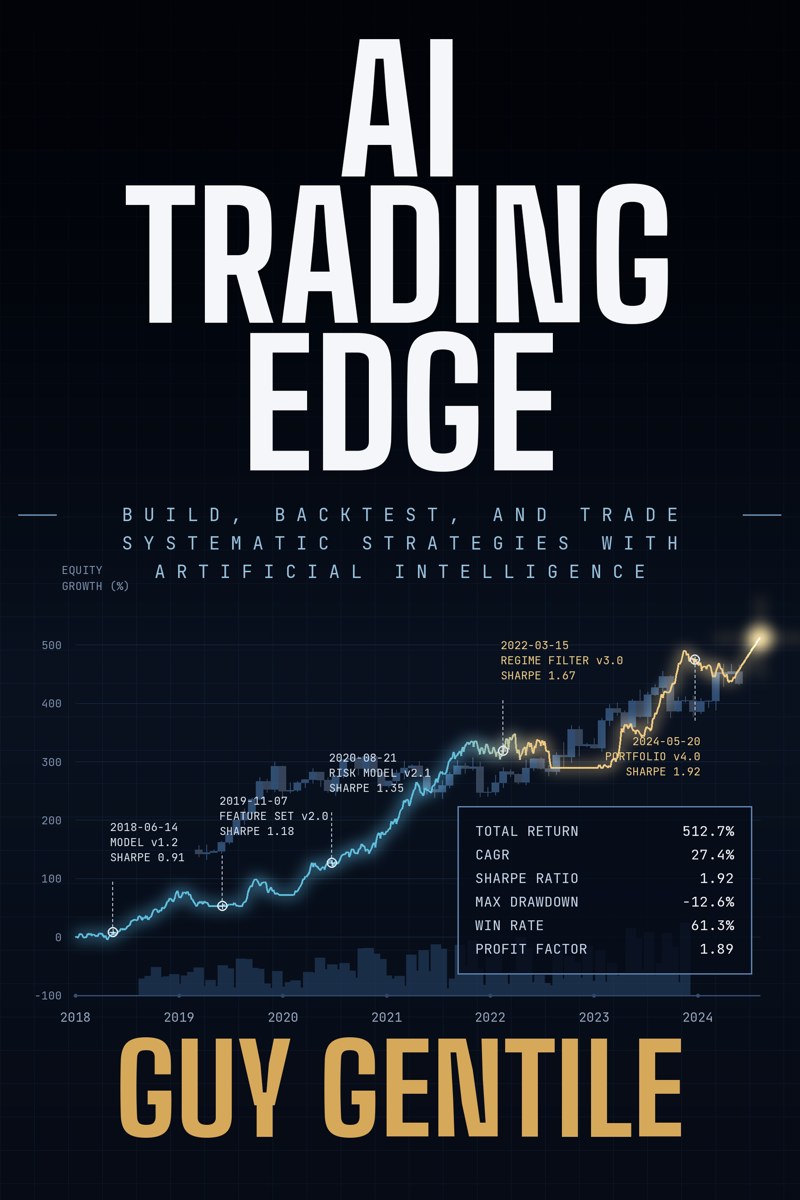 Quantitative Trading
AI Trading Edge
25 chapters from raw market data to a working machine-learning stack — features, validation, and execution.
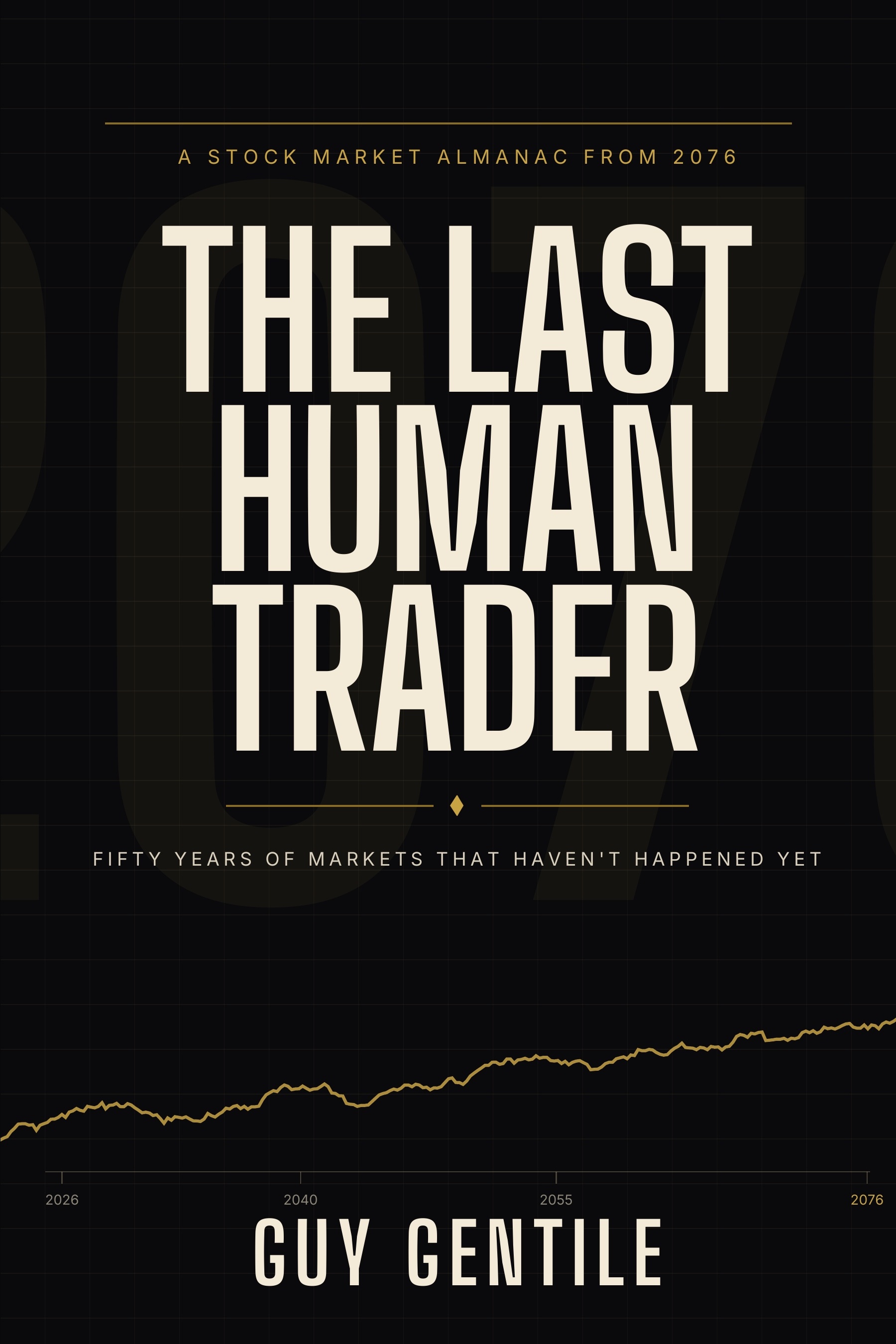 Market Almanac
The Last Human Trader
A stock market almanac from 2076 — twenty-nine chapters and 37 dated predictions on AI, liquidity, and the last discretionary desk.
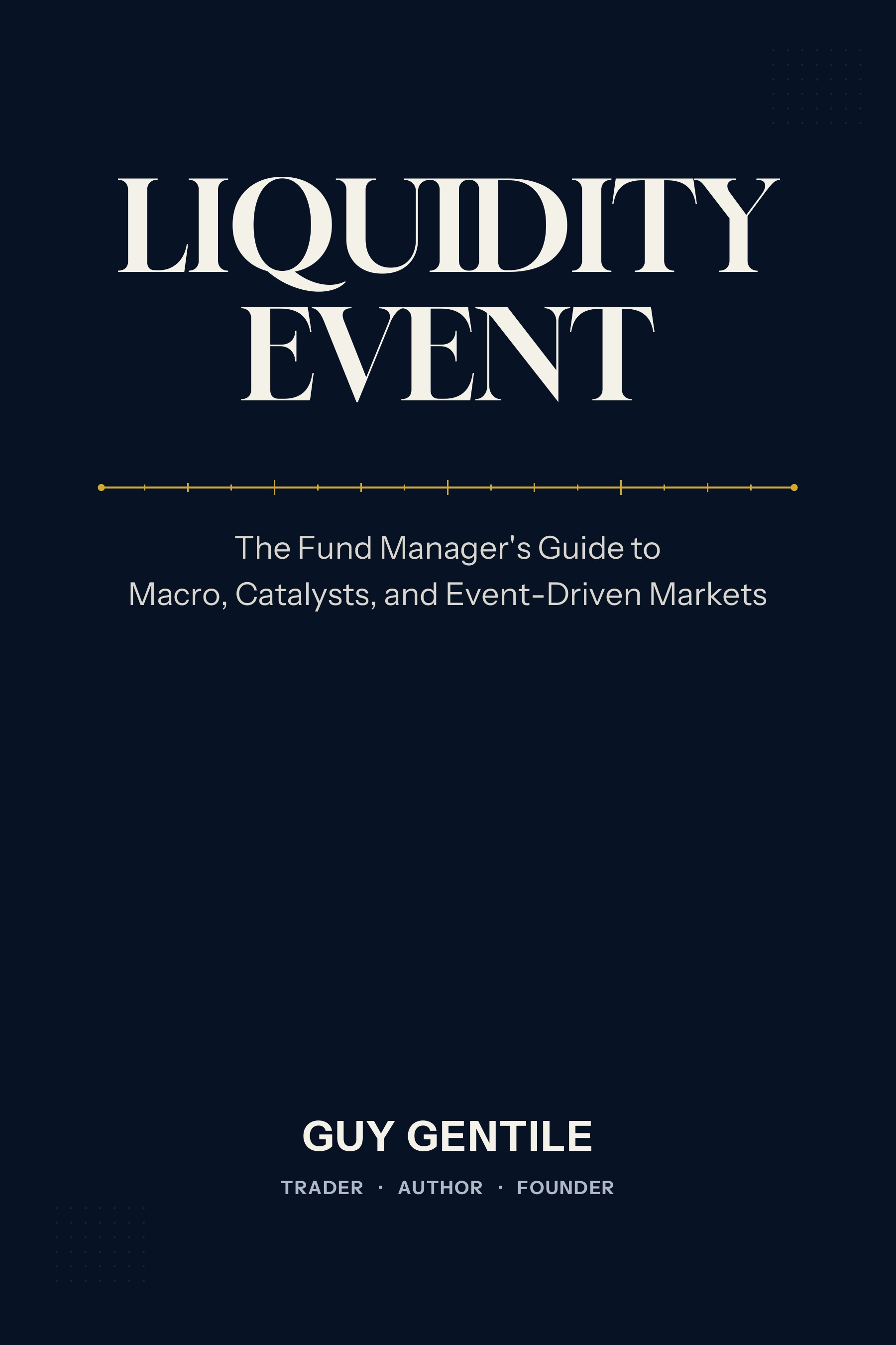 Macro & Event-Driven
Liquidity Event
The fund manager's guide to macro, catalysts, and event-driven markets — regimes, liquidity ladders, and desk-tested case studies.
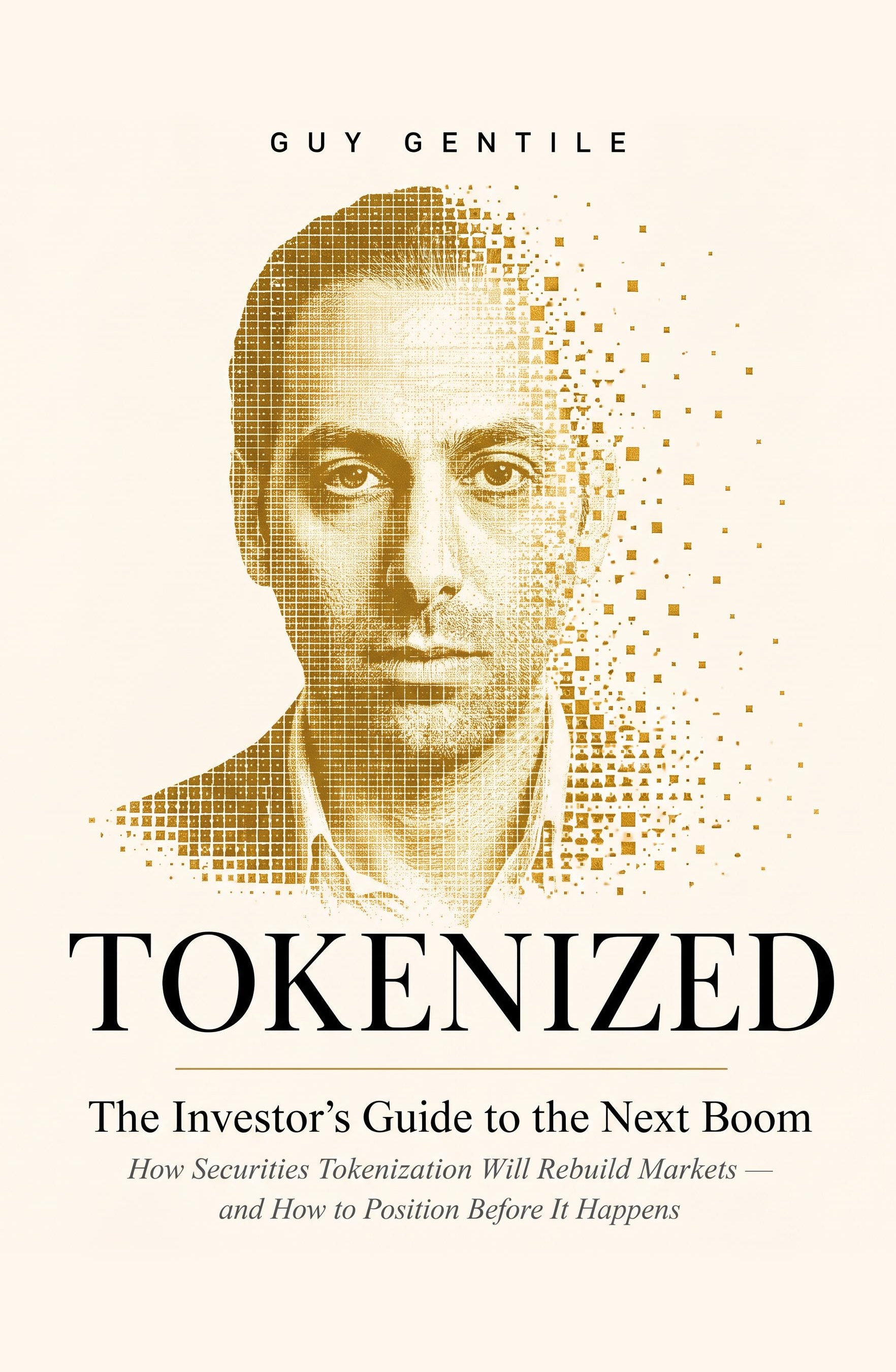 Markets & Macro
Tokenized
How securities tokenization will rebuild markets — the Tokenization Stack, the Crypto Regime Matrix, and where the next boom is forming.
 Short Selling
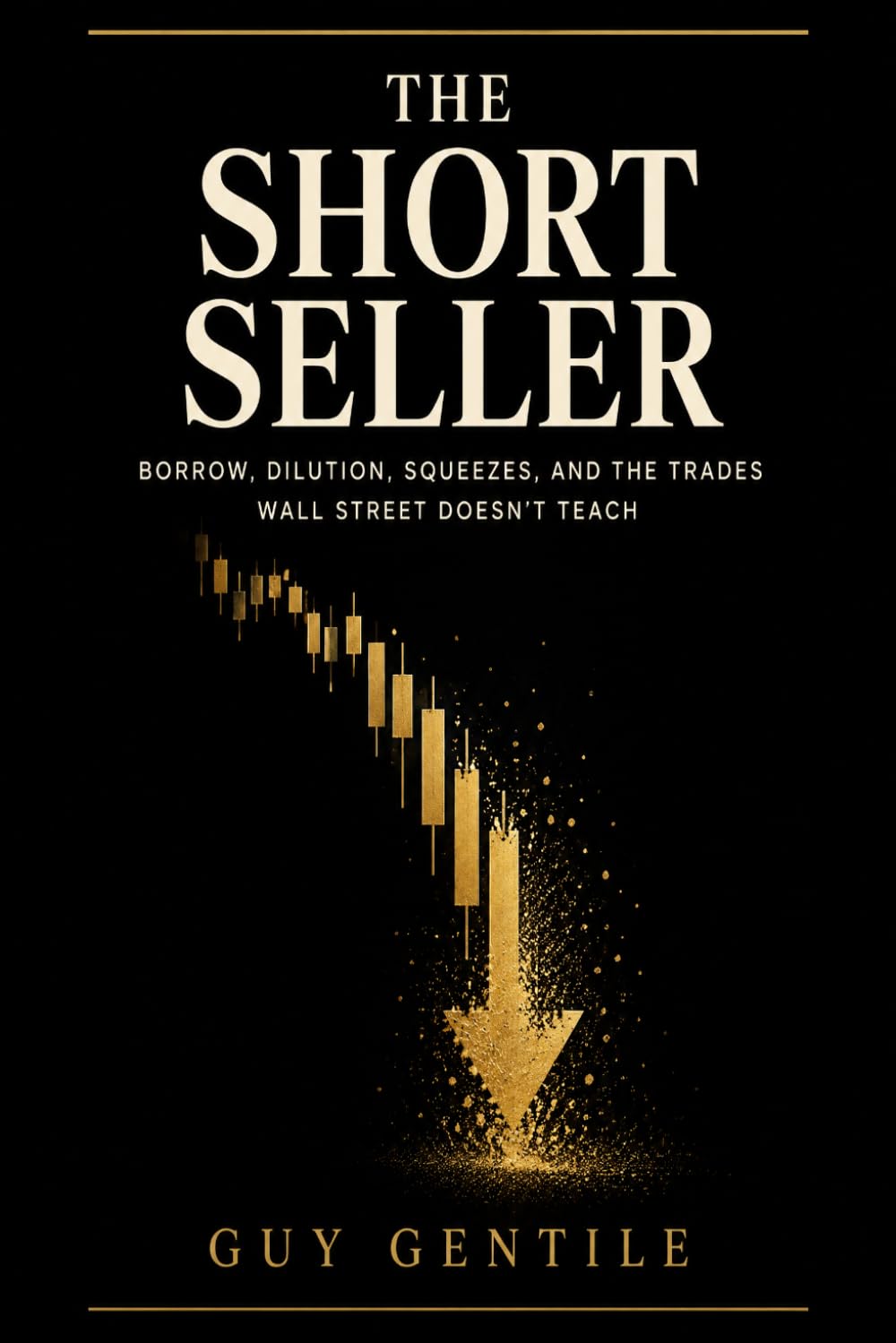
The Short Seller
Borrow, dilution, squeezes, and the trades Wall Street doesn't teach — the insider's guide to the mechanics and dangers of short selling.
Latest research

Tokenization Could Lead Crypto’s Next Cycle — Guy Gentile
From the 2017 Bloomberg warning to Hyperliquid and PURR: a conditional thesis on tokenized assets, legal ownership, and the liquidity window for crypto’s next cycle.

Buffett Steps Down As Berkshire Chair: What The Handover Means For The Stock, The Culture, And The Market
Warren Buffett, 96, moves to chairman emeritus and Howard G. Buffett, 71, takes the Berkshire Hathaway chair. A macro trader's read on the succession, the culture premium, and three scenarios for BRK-B.

September 15 Tape: The 10-Year Breaks 5%, Energy Is The Only Green Sector, And SPY Sits Between A 760 Put Shelf And A 775 Call Wall Into The Fed
The 10-year hit 5.02%, its highest since 2007, one day before a Fed decision that futures put at roughly 92% for a quarter-point hike to a 3.75%–4.00% upper bound. Crude is back above $100 after the Saudi pipeline shutdown, energy is the only sector bid, and SPY at 757 is pinned between the heaviest put open interest at 760/750 and a stacked call wall at 775/790. Here is the macro, the movers, the Fed path and the gamma map.

September 14 Tape: Oil Gives Back The War Premium, Trump Talks AI Off The Ledge, And The Midterm Headline Trade Is Back
Crude came off nearly $110 on Brent and $105 on WTI after Trump said Iran is eager to reach a deal, while 'Don't kill the Golden Goose' reversed the AI-slowdown panic that had hit chips into the weekend. The tape rallied on headline relief, but Hormuz is still disrupted, no agreement exists, and rates are still elevated — so this is a repricing of premium, not a regime change.